Blog
News, Insights & Resources Responsibility

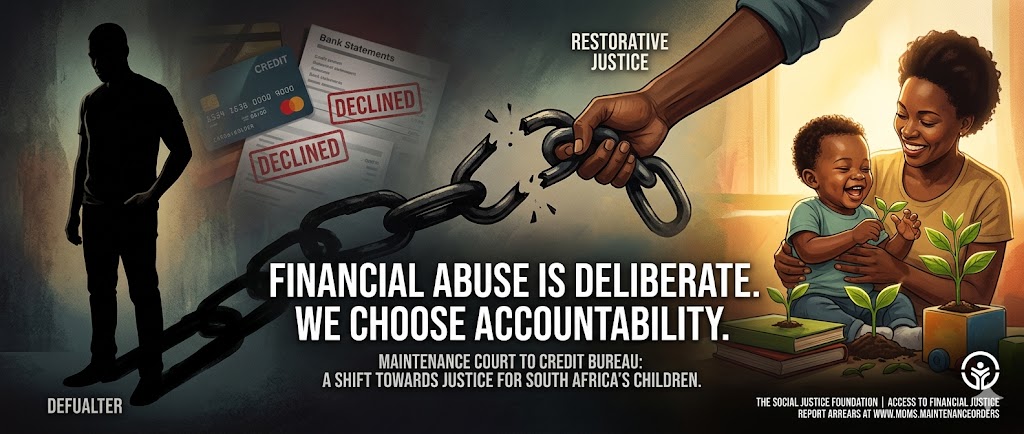
Enforcing child maintenance is often viewed as a private legal battle between two parents. However, the ripple effects of non-payment extend far beyond the family home. Through the Maintenance Online Listing of Defaulters (MOLD) project, the South African government is recognizing that accountability is a cornerstone of a healthy nation. When we hold individuals responsible for their parental obligations, we aren't just helping a single household—we are strengthening the entire country.
Strengthening National Economic Welfare
Strict maintenance enforcement is a direct investment in the general economic welfare of South Africa. When financial responsibilities are met consistently:
-
Household Stability: Families have predictable income, which stabilizes local economies and reduces the cycle of debt.
-
Resource Allocation: Money that should be spent on a child’s development actually reaches them, fostering a more capable future workforce.
-
Fairness in the System: It ensures that one parent—and often the state—doesn't carry the unfair financial burden of a shared responsibility.
Upholding the Fundamental Rights of Children
The non-payment of maintenance is more than a financial oversight; it is a violation of basic human rights.
-
Poverty Prevention: Maintenance payments are often the difference between a child living in poverty or having their basic needs met.
-
Access to Healthcare and Education: Consistent support ensures that children aren't restricted from quality schooling or medical care due to lack of funds.
-
Constitutional Mandate: The Constitutional Court has affirmed that parents hold the primary responsibility for their children’s care, and enforcement mechanisms are essential to protect this right.
Preventing Reckless Credit and Debt
The integration of maintenance orders into credit bureau listings serves as a vital safeguard for the financial sector.
-
Affordability Assessments: By listing maintenance obligations, credit providers can conduct more accurate affordability checks.
-
Blocking Reckless Lending: It prevents defaulters from obtaining "unaffordable credit" or additional debt that would further disadvantage their maintenance obligations.
-
Rewarding Compliance: This system ensures that only compliant, financially responsible individuals have full access to the credit market.
Reducing the Burden on the State and Taxpayers
South Africa currently sees a significant portion of its population dependent on state support—a statistic often driven by systemic failure and parental neglect.
-
Breaking Dependency: Effective child support keeps households above the poverty line, reducing the immediate need for government grants.
-
Taxpayer Savings: Every child supported by a parent is one less child requiring direct state intervention, allowing public funds to be diverted to other critical infrastructure and social services.
Enforcement isn't just about punishment; it’s about building a society where responsibility is non-negotiable. By holding defaulters accountable today, we are ensuring a more stable, equitable, and prosperous tomorrow for all South Africans.
Similar Articles
Responsibility Team Writer

Responsibility Team Writer